
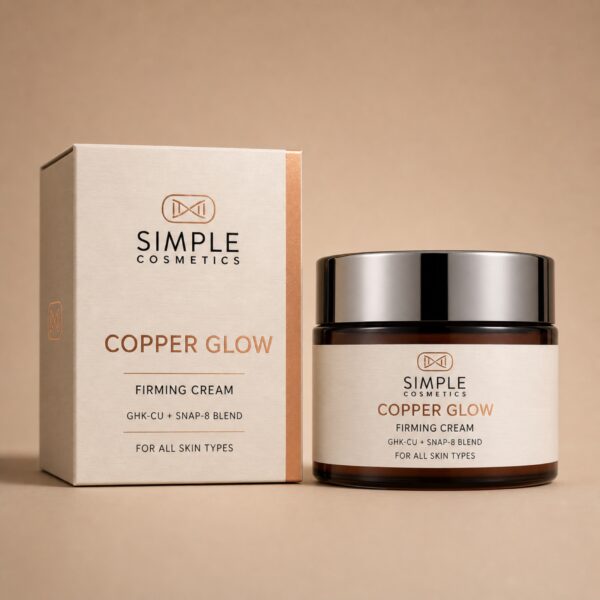
Copper peptides sit in an unusual place in modern skincare: scientifically interesting, commercially popular and still less clinically settled than the confidence of many product pages suggests. For a mid-routine buyer, that makes the right question less “Does copper peptide work?” and more “What does the evidence support—and is this particular formula a sensible fit?”
What is copper peptide?
GHK is a short peptide made from three amino acids. When it binds copper, it is commonly described as copper peptide; on cosmetic ingredient lists, shoppers may see copper tripeptide-1. Research has explored its biological activity in laboratory and wound-related settings, but those findings do not automatically prove that every cosmetic cream produces the same effects on intact human skin.
What should you compare in a copper-peptide product?
1. The actual ingredient name
Look for a complete ingredient list rather than relying on copper-colored packaging. Copper tripeptide-1 is more informative than an undefined “copper complex.”
2. The product format
A serum can feel lighter and layer easily; a cream can combine the peptide story with a richer moisturizing base. The right format is the one that fits the rest of your routine and that you will use consistently.
3. The language of the claim
“Firmer-looking” or “more radiant-looking” describes appearance. Claims to repair tissue, restore hair or treat a skin condition cross into a different regulatory category. The FDA explains that products promoted to treat disease or affect body structure or function may be regulated as drugs, even when sold beside cosmetics. Review the FDA guidance.
How to introduce a copper-peptide cream
- Patch test first, especially if your routine already contains several active products.
- Introduce one new formula at a time so irritation has an identifiable source.
- Follow the manufacturer’s directions rather than inventing a higher-frequency routine.
- Keep sunscreen and other established basics in place; a peptide product is not a substitute for sun protection.
The Simple conclusion
copper peptide is a reasonable ingredient to be curious about, but curiosity is not the same as certainty. Favor transparent ingredient naming, realistic cosmetic language and a vehicle that suits your skin. That is a more useful buying framework than treating one peptide as a shortcut to a complete routine.
Where copper tripeptide-1 shows up in our line: Copper Glow Firming Cream (face, with SNAP-8), CU+ Silk Body Cream (body), and the Copper Charge shampoo and conditioner (hair). Each page lists the full ingredient declaration so you can compare formulas yourself.
Source trail