
For xylitol toothpaste for cavity prevention, choose fluoride first and treat xylitol as a supporting ingredient. The shopping paths below compare everyday use, sensitivity needs, and fluoride-free preferences—not brands ranked by medical outcomes.
- Choose xylitol toothpaste for cavity prevention by checking fluoride, age directions, and daily comfort—not xylitol alone.
- Simple Cosmetics PeptiSmile is a cosmetic oral-care option; verify its current label before judging cavity-protection suitability.
- For sensitive teeth, check for a recognized sensitivity active as well as fluoride.
- Brush twice daily for two minutes; toothpaste does not replace cleaning between teeth or dental care.
Why this matters
Xylitol on the front of a tube tells you something about the formula. It does not tell you whether that toothpaste has an established anticavity active. That distinction matters more than a flavor name or an ingredient trend.
Simple Cosmetics offers peptide-based oral care, including PeptiSmile. The same shopping rule applies to that product and every other toothpaste: separate the cosmetic formula story from the ingredients and directions that support a cavity-prevention claim.
For your 2026 routine, start with the label. Then choose a texture and flavor you can comfortably use every day.
What makes a suitable xylitol toothpaste?
Use these criteria before comparing packages. They keep a pleasant brushing experience separate from a clinical promise.
- Anticavity active: Look for fluoride in the active-ingredient panel when cavity prevention is your goal.
- Clear purpose: Read the stated use rather than assuming every toothpaste protects against cavities.
- Age directions: Choose a product with directions appropriate for the person using it.
- Daily comfort: Consider flavor, foaming, and any ingredients that have irritated your mouth before.
- Relevant extras: Sensitivity ingredients serve a different purpose from sweeteners or cosmetic peptides.
- Evidence fit: Do not transfer findings about xylitol gum, lozenges, or another formula to a toothpaste automatically.
A xylitol ingredient listing is not a substitute for a fluoride anticavity label. You do not need a complicated formula to apply that rule.
Xylitol toothpaste options at a glance
These are shopping categories, not verified individual product recommendations. A toothpaste belongs in a category only when its current label confirms the ingredients and uses described.
| Formula type | Best for | Standout feature | Main limitation |
|---|---|---|---|
| Fluoride toothpaste containing xylitol | A straightforward daily routine | Combines an anticavity active with a non-sugar sweetener | Xylitol does not establish extra cavity protection |
| Fluoride sensitivity toothpaste containing xylitol | Shoppers managing tooth sensitivity | Adds a labeled sensitivity purpose | Sensitivity needs an appropriate diagnosis |
| Fluoride-free toothpaste containing xylitol | Shoppers with a specific fluoride-free preference | Avoids fluoride while retaining a sweetened brushing experience | Xylitol alone is not an equivalent replacement for fluoride |
The comparison for 2026 is deliberately label-led. Product names, packaging language, and ingredient trends do not settle whether a particular tube fits your needs.
1. Fluoride plus xylitol: best fit for a simple daily routine
A fluoride toothpaste containing xylitol is the most direct shopping path when you want both ingredients. Fluoride supports protection against tooth decay; xylitol is a sugar alcohol used as a sweetener that cavity-causing bacteria do not metabolize like ordinary sugar.
Those roles are different. Finding both on a label does not prove that the combination prevents more cavities than another suitable fluoride toothpaste.
Best for: Adults seeking an uncomplicated fluoride brushing routine who prefer a formula containing xylitol.
Fluoride-plus-xylitol pros:
- Keeps an established anticavity ingredient central to the choice.
- Includes sweetness without using ordinary sugar.
- Lets you choose by comfort without treating flavor as a health claim.
Fluoride-plus-xylitol cons:
- The presence of xylitol does not quantify an additional benefit.
- Other ingredients can still be unsuitable for your mouth.
- The formula does not replace cleaning between teeth.
Look for fluoride in the active-ingredient panel and xylitol in the ingredient list. Follow the actual package directions rather than estimating an amount from a photograph or advertisement.
Verdict: Buy only after the current label confirms the fluoride anticavity purpose and appropriate directions.
2. Sensitivity formula: best fit for shoppers with sensitive teeth
Some toothpaste formulas combine fluoride with an ingredient intended to reduce tooth sensitivity. If you also want xylitol, verify that it appears on the same product’s label; do not assume every variant in a product range shares a formula.
Potassium nitrate is an established toothpaste ingredient for sensitivity. Its purpose is different from xylitol’s, and a sensitivity claim does not explain why a tooth hurts.
Best for: Shoppers choosing a labeled sensitivity toothpaste after discussing persistent or unexplained sensitivity with a dental professional.
Sensitivity-formula pros:
- Addresses a specific need beyond flavor preference.
- Can retain fluoride as the anticavity ingredient.
- Provides directions tied to the product’s sensitivity purpose.
Sensitivity-formula cons:
- Does not diagnose decay, cracks, or other causes of pain.
- Requires checking both sensitivity and anticavity labeling.
- Does not guarantee that every flavor or foaming ingredient feels comfortable.
Do not keep switching tubes while ignoring pain in one tooth. New, persistent, or worsening sensitivity deserves an examination, particularly when biting also hurts.
Verdict: Hold the purchase until the formula matches your needs; seek dental assessment for unexplained symptoms.
3. Fluoride-free xylitol: best fit for a specific ingredient preference
Fluoride-free toothpaste containing xylitol is a different choice from fluoride toothpaste. It can provide a brushing medium and sweetness, but the xylitol listing alone does not establish equivalent cavity protection.
A preference for fewer ingredients is understandable. It still needs to be separated from the question of whether a product meets your dental needs.
Best for: Shoppers with a specific fluoride-free preference who have discussed their cavity risk and alternatives with a dental professional.
Fluoride-free xylitol pros:
- Accommodates a deliberate fluoride-free preference.
- Uses a non-sugar sweetener when xylitol is present.
- Can be evaluated directly through its ingredient list and directions.
Fluoride-free xylitol cons:
- Does not provide fluoride’s established anticavity benefit.
- Xylitol alone does not justify equivalent-protection claims.
- A simple ingredient list does not establish suitability for higher-risk teeth.
Do not interpret a fresh feeling as proof of cavity protection. Flavor and cleanliness are experiences; protection claims require a different basis.
Verdict: Skip as an assumed substitute for fluoride; discuss the choice with your dentist.
How these shopping paths were compared
The comparison uses active ingredients, labeled purpose, age directions, comfort, and the limits of each ingredient claim. It does not assign clinical scores or rank brands by cavity reduction.
For 2026, the decision stays simple: identify the anticavity active first, then consider sensitivity needs and ingredient preferences. Xylitol content alone is not the deciding factor.
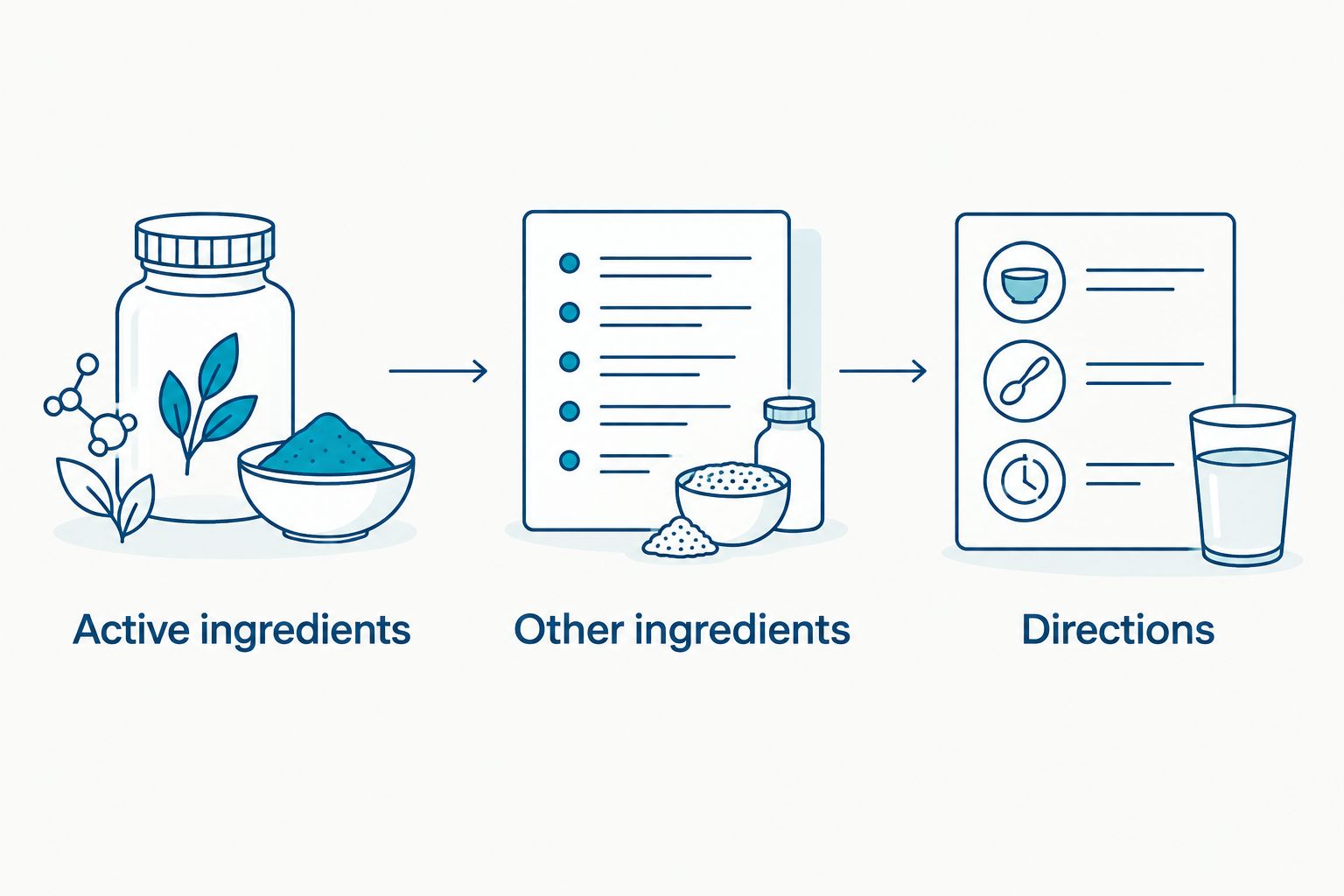
Read the tube in three passes
A front label is a summary, not the whole formula. Turn the tube around before deciding that “xylitol,” “peptide,” or “natural” answers your question.
Active ingredients
Find the active-ingredient panel and stated purpose. For a fluoride toothpaste, this is where you establish that the product is labeled for anticavity use rather than inferring it from the product name.
Other ingredients
Check for xylitol and anything you know causes problems for your mouth. Its position in an ingredient list is not a dependable way to calculate a therapeutic dose or predict an outcome.
Directions
Read the age instructions, amount, frequency, and warnings. Directions for a young child are not interchangeable with directions for an adult.
For children younger than 3 years, American Dental Association guidance recommends a rice-grain-sized smear of fluoride toothpaste. For children aged 3 to 6 years, it recommends a pea-sized amount. Supervise brushing and follow the product’s directions and your child’s dental advice.
Where peptide toothpaste fits
PeptiSmile is described by Simple Cosmetics as a TXA and cosmetic peptide toothpaste with mild mint. Those details describe the formula’s positioning; they do not, by themselves, establish its fluoride content, xylitol content, or anticavity labeling.
Simple Cosmetics PeptiSmile is best considered for shoppers interested in a cosmetic peptide toothpaste, not as a verified cavity-prevention pick. Read the current package before deciding whether it meets your specific oral-care needs.
A cosmetic ingredient story also does not establish treatment for gum disease or gum recession. The distinction between peptide toothpaste and gum-disease claims deserves the same care as the distinction between xylitol and fluoride.
You can appreciate a formula’s taste and ingredient explanation without assigning it an unproven medical role. Keep both judgments separate.
Make the routine do its part
A suitable toothpaste works within a routine, not instead of one. The American Dental Association recommends brushing twice daily for 2 minutes with fluoride toothpaste and cleaning between teeth daily.
Use a soft-bristled toothbrush and gentle pressure. Brushing harder is not a substitute for reaching all tooth surfaces, and toothpaste cannot reach every space that needs cleaning.
Build your 2026 routine around actions you can repeat:
- Morning brushing: Use the toothpaste according to its label.
- Evening brushing: Give every tooth surface attention rather than chasing a strong mint feeling.
- Between-teeth cleaning: Choose floss or another appropriate interdental cleaner.
- Symptom checks: Arrange care for persistent bleeding, pain, swelling, or sensitivity.
Frequent sugary snacks and drinks also matter. Toothpaste does not cancel repeated sugar exposure, and a xylitol ingredient does not make the rest of your diet irrelevant.
Dental visits depend on your risk
A toothpaste label cannot assess your cavity risk. Previous decay, dry mouth, exposed root surfaces, and difficulty cleaning around dental work are reasons to discuss your routine with a dental professional.
The question of how often to see a dentist belongs in that same risk discussion: recall timing should reflect your oral health, symptoms, and clinician’s assessment rather than a toothpaste purchase.
Bring the tube or a clear label photo to your appointment. Ask whether its anticavity active, age directions, and any sensitivity ingredients fit your situation.
Do not wait for a scheduled checkup if you develop swelling, severe pain, or other urgent symptoms. Changing sweeteners is not treatment.
Which xylitol toothpaste should you choose?
Choose a fluoride toothpaste you can use comfortably and consistently; consider xylitol a preference within that choice. If sensitivity is part of the problem, choose the relevant labeled formula with dental guidance rather than expecting xylitol to address it.
For your 2026 shopping decision, the order is purpose, directions, then preferences. Simple Cosmetics oral-care products should meet that same label-first standard before you assign them a cavity-prevention role.
FAQ
What’s the best way to choose xylitol toothpaste for cavity prevention?
Choose a fluoride toothpaste with an anticavity purpose, then check whether it contains xylitol. Match the directions to your age and needs rather than choosing from the front-label ingredient alone.
Is xylitol toothpaste better than fluoride toothpaste?
Xylitol and fluoride are not interchangeable ingredients. Fluoride has an established role in cavity prevention; xylitol on a label does not establish equivalent protection.
Does xylitol toothpaste reverse an existing cavity?
Do not use xylitol toothpaste to treat an existing cavity. A dentist needs to assess the lesion; a tooth with a physical hole does not regrow through brushing.
Does PeptiSmile contain xylitol and fluoride?
Check PeptiSmile’s current package for xylitol and a fluoride active ingredient. A TXA and cosmetic peptide description alone does not establish either ingredient or an anticavity purpose.
Can children use toothpaste containing xylitol?
Choose toothpaste according to the child’s age, product directions, and dental guidance—not xylitol alone. Supervise brushing and use the recommended amount of fluoride toothpaste.
How often should I brush with fluoride toothpaste?
American Dental Association guidance recommends brushing twice daily for 2 minutes with fluoride toothpaste. Clean between teeth daily as well, and follow any individual instructions from your dental professional.
Should I choose fluoride-free xylitol toothpaste if I get cavities often?
Do not assume fluoride-free xylitol toothpaste provides equivalent protection when you get cavities often. Ask your dentist to assess your risk and recommend an appropriate prevention plan.
One last thing
Keep xylitol-containing toothpaste away from dogs. Xylitol is toxic to dogs, and suspected ingestion warrants prompt veterinary advice—not observation at home.
For people, the practical takeaway is less dramatic: buy for the labeled purpose, then for the brushing experience. This is general oral-care education, not medical advice.
Related guides
- Peptide toothpaste for dental hygienists
- Peptide toothpaste and gum recession
- A daily oral-care workflow
Source trail